
Winter has a secret season—and it’s not the holidays. Once January settles in and the calendar clears, some destinations quietly become their best versions: trails open up, views sharpen, and the crowds that once dictated the pace simply disappear. Travel experts agree that this short window is when nature-forward destinations shine brightest, especially for travelers willing to trade peak-season buzz for breathing room. That’s why travelers starting journeys from major gateways like flights from New York City are increasingly planning winter trips with intention rather than urgency.
Why Winter Travel Hits Different After the Holidays
Post-holiday winter travel strips destinations down to what actually matters—landscapes, light, and space. Without peak-season pressure, trails feel quieter and days unfold at a slower rhythm. Travelers flying out via flights from Chicago often find that winter hiking and nature-focused trips feel more immersive simply because there’s less competition for the experience itself.
What experts love most about winter travel:
- Fewer people, clearer views
- Cooler temperatures that make hiking more comfortable
- Trails that feel intentional rather than rushed
Sedona, Arizona: Red Rock Trails Without the Heat
Sedona’s red rock landscapes don’t lose their drama in winter—they gain contrast. Cooler temperatures make hiking more comfortable, and the trails that feel crowded in spring suddenly feel expansive. Travelers arriving through flights from Phoenix often discover that winter is when Sedona feels most balanced: visually striking, but never overwhelming.
Why experts recommend winter here:
- Clear skies and crisp mornings
- Ideal conditions for longer hikes
- Fewer tour groups on popular trails
Great Smoky Mountains, Tennessee & North Carolina: Quiet, Frosted, and Cinematic
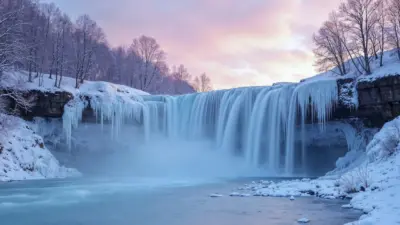
The Smokies take on a softer, more atmospheric beauty in winter. Bare trees open up long-range views, mist lingers longer, and waterfalls feel more dramatic against frost-lined trails. Travelers planning trips with flights from Nashville often find January and February ideal for slow hikes and scenic drives without traffic bottlenecks.
Winter perks you don’t get in peak season:
- Wildlife tracks visible on quiet trails
- Easier access to popular overlooks
- A more reflective, less touristic mood
Joshua Tree, California: Desert Hiking at Its Best
Summer heat limits how much of Joshua Tree you can realistically explore. Winter changes everything. Trails become walkable all day, rock formations glow in low winter light, and the desert feels vast rather than punishing. Visitors arriving via flights from Los Angeles often realize that winter is when Joshua Tree actually invites exploration instead of endurance.
Expert tip:
- Start hikes later in the morning
- Stay for sunset—the light is unmatched
- Expect silence, not spectacle
Acadia National Park, Maine: Coastal Trails Without the Crowds
Acadia in winter feels almost private. Snow-covered carriage roads, icy coastlines, and quiet forest trails redefine the park entirely. Travelers accessing the region through flights from Boston often describe winter Acadia as meditative—less about ticking landmarks off a list and more about presence.
Why winter works here:
- Fewer visitors than any other season
- Ocean views framed by frost and snow
- Trails that reward patience and layering
Zion National Park, Utah: Snow-Dusted Canyons, No Shuttle Lines
Zion’s towering canyon walls take on a new personality in winter, especially after a light snowfall. Trails feel quieter, shuttle systems relax, and the park becomes easier to navigate. Travelers flying in via flights from Las Vegas often appreciate how winter allows them to experience Zion at a natural pace rather than a scheduled one.
What experts highlight:
- Fewer hikers on iconic routes
- Striking contrast between red rock and snow
- Cooler temperatures for longer walks
What to Know Before You Go (Winter Edition)
Winter travel rewards preparation—but not overplanning. Experts recommend focusing on flexibility, daylight awareness, and comfort-first packing. Travelers departing on flights from Denver often benefit from treating winter nature trips as experiences to move with, not rush through.
Keep in mind:
- Check trail conditions daily
- Pack traction and layered clothing
- Start earlier—winter light fades quickly
D2D Travel Tips: Making Winter Trips Feel Effortless
Winter journeys can feel heavier when logistics aren’t aligned. Early mornings, cold temperatures, and long drives add friction fast. Door-to-door planning—like the approach supported by D2D—helps remove that friction before it starts. Seamless transitions from home to airport to destination matter more in winter, especially for travelers coordinating flights from Seattle or other weather-sensitive hubs.
When the journey feels calm, the destination has room to impress.
The Real Luxury of Winter Travel? Space.
What travel experts keep returning to isn’t just scenery—it’s space. Space to walk without weaving through crowds. Space to pause without pressure. Space to actually experience a place instead of managing it. For travelers willing to plan beyond peak season and travel thoughtfully, winter destinations offer something increasingly rare: nature without noise.
And sometimes, that’s exactly what the season is asking for.