

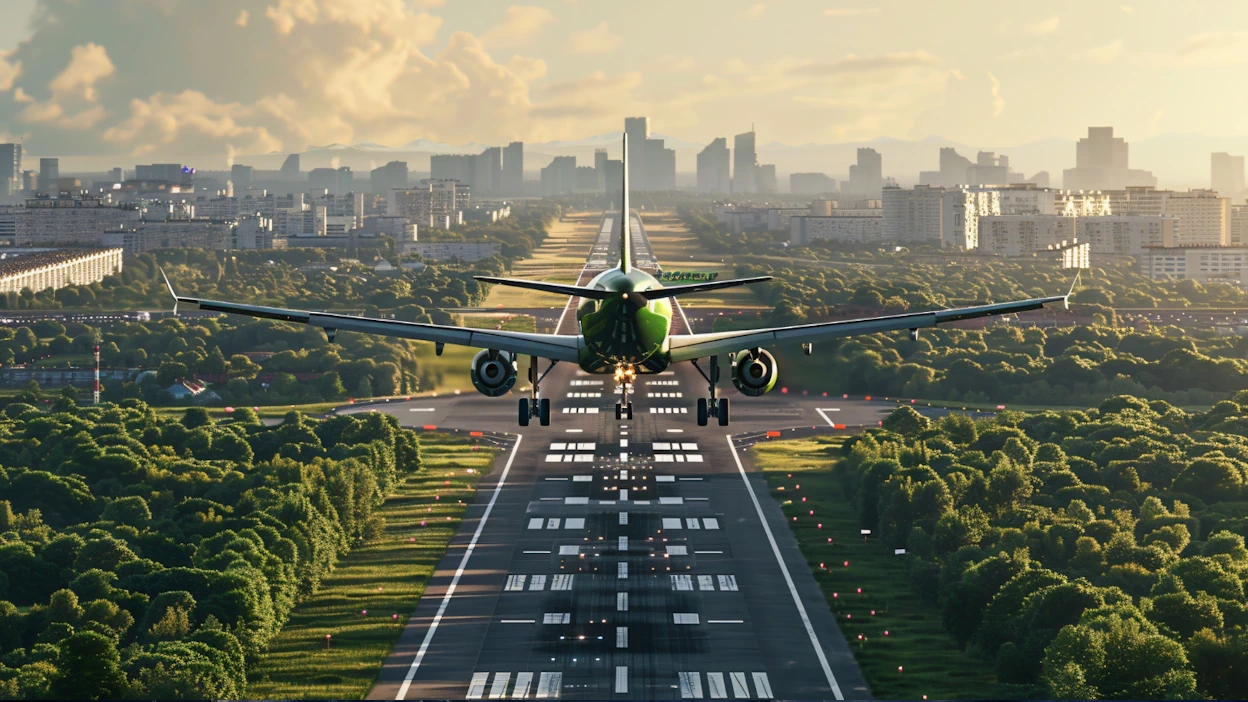
For decades, flight delays have felt like an unavoidable side effect of air travel—annoying, unpredictable, and often poorly explained. But that familiar frustration may finally be due for a redesign.
By 2026, a major airspace modernization led by the Federal Aviation Administration is set to quietly reshape how planes move through the sky, how congestion is managed, and—most importantly for travelers—how delays actually play out in real life. For anyone booking flights from busy hubs like Atlanta, Chicago, or New York, this shift could mean fewer cascading delays and a far more predictable journey.
So what’s changing, and why does it matter to you?
What the FAA Is Upgrading—and Why It’s Long Overdue
Much of the U.S. air traffic control system still relies on infrastructure designed in the late 20th century. The upcoming upgrade focuses on modernizing how aircraft are routed, spaced, and sequenced, using advanced satellite-based navigation and real-time data sharing between airports, airlines, and air traffic controllers.
In practical terms, this means fewer bottlenecks in the sky and better coordination on the ground. Travelers booking flights from high-volume cities like Atlanta—long one of the busiest aviation corridors—stand to benefit the most. Those planning upcoming trips with flights from Atlanta may already notice subtle improvements as parts of the system roll out incrementally before 2026.
Why Delays Won’t Disappear—but Will Feel Different
Let’s be realistic: weather will still happen, aircraft will still need maintenance, and peak travel seasons won’t magically thin out. But the nature of delays is expected to shift.
Instead of long, domino-style disruptions, the new system is designed to isolate problems faster and reroute traffic more efficiently. For travelers departing from congested metros like Chicago, this could mean fewer all-day airport marathons. If you’ve ever tracked flights from Chicago during a stormy afternoon, you know how quickly delays can spiral. The FAA’s goal is to stop that spiral before it starts.
What Travelers Will Actually Notice at the Airport
While much of this upgrade happens behind the scenes, the passenger experience should feel noticeably smoother. Here’s how it’s expected to show up in real life:
- Shorter taxi times as runways are used more efficiently
- Fewer last-minute gate changes caused by airspace congestion
- More accurate departure and arrival estimates, even during busy travel windows
- Reduced ripple effects when one flight is delayed
For travelers flying out of large coastal hubs like New York City, where airspace is notoriously complex, this matters a lot. Anyone planning trips with flights from New York City may find that “on time” becomes a more reliable promise rather than a hopeful guess.
How This Could Change the Way You Plan Trips
One of the most underrated impacts of the FAA’s upgrade is how it may influence travel planning habits. When delays are more predictable—and less severe—travelers can plan with greater confidence.
This is especially relevant for those coordinating multi-leg journeys or traveling during peak seasons. Knowing when to buy plane tickets and how far in advance to lock plans becomes less stressful when the system itself is more stable. Even travelers departing from growing hubs like Denver, where air traffic has surged in recent years, could see meaningful improvements as smarter routing reduces congestion at altitude.
Not All Airports Will Feel It at the Same Pace
It’s worth noting that the benefits won’t arrive everywhere at once. Major hubs will see the earliest gains, while smaller regional airports may experience more gradual improvements as systems are integrated nationwide.
That said, travelers flying from fast-expanding cities like Dallas—where air traffic continues to climb—are expected to see noticeable changes sooner rather than later. For those booking flights from Dallas, the combination of upgraded airspace and better ground coordination could translate into smoother departures, especially during high-demand periods.
Looking Ahead: A Calmer Way to Travel
By 2026, air travel may not be faster—but it will likely be smarter. And smart systems work best when paired with thoughtful planning. Travelers starting their journey with **** may find that when delays are shorter and clearer, the entire experience feels more human.
That’s where door-to-door thinking quietly fits in. When the journey begins calmly—without rushed pickups, parking stress, or last-minute scrambles—technology in the skies can actually do its job. With D2D, the idea is simple: let the journey feel considered from the moment you leave home, not just when the plane takes off.
Because in the future of travel, ease isn’t a luxury—it’s the standard.