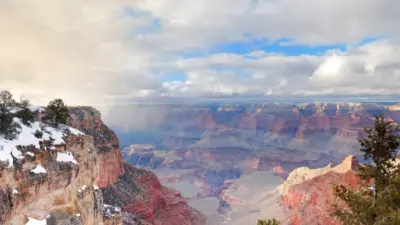

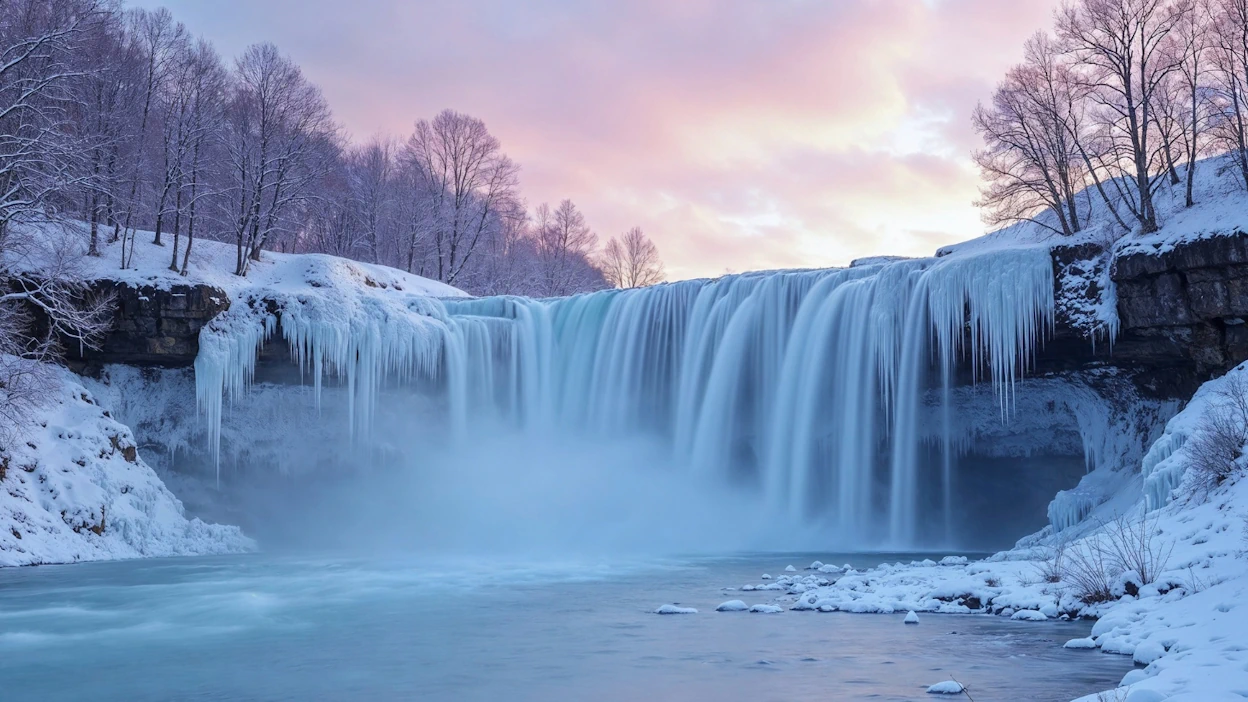
January has a reputation problem. It’s often treated like a waiting room between the holidays and “real life,” when in reality it’s one of the most visually dramatic months to travel—especially in America’s national parks. Waterfalls freeze mid-motion, forests turn hushed and cinematic, and trails feel suddenly personal again.
For travelers willing to embrace winter landscapes, January delivers something rare: grandeur without the crowds. And for those beginning their journeys from major gateways like flights from Denver or flights from Chicago, these parks are closer—and quieter—than most people realize.
Why January Is the Best Month You’re Probably Ignoring
Winter doesn’t simplify national parks—it transforms them. Trails narrow, sounds soften, and familiar landmarks feel entirely new. What’s more, January travel rewards those who plan thoughtfully, especially travelers flying in via flights from Seattle or other cold-weather hubs looking to experience winter rather than escape it.
January brings:
- Fewer vehicles and shuttle lines
- Clearer views thanks to leafless forests
- Frozen waterfalls that only appear for weeks
- A sense of stillness that summer simply can’t offer
1. Yosemite National Park, California
Yosemite in January feels almost mythic. Snow blankets the valley floor, granite walls glow softly in winter light, and waterfalls partially freeze into sculptural forms.
What makes it special right now:
- Yosemite Falls transforms into ice-laced cascades
- Snowshoeing replaces hiking crowds
- Valley views feel uninterrupted
Travelers often access Yosemite through flights from San Francisco, where winter conditions actually make the park feel more accessible than peak summer chaos.
2. Rocky Mountain National Park, Colorado
January is when Rocky Mountain National Park becomes a true winter playground. Frozen streams, snow-draped pines, and alpine silence take over.
Highlights include:
- Ice-covered waterfalls along winter trails
- Elk sightings against snowfields
- Crisp air that sharpens every view
Those arriving via flights from Denver can reach the park quickly, making it ideal for shorter winter escapes that still feel expansive.
3. Zion National Park, Utah
Zion surprises people in winter. Snow dusts red rock cliffs, waterfalls appear along canyon walls, and the park feels dramatically less crowded.
Why January works:
- Snow enhances contrast in the canyon
- Shuttle-free access on many days
- Trails feel contemplative, not congested
Travelers often route through flights from Las Vegas, pairing desert warmth with snowy elevation shifts.
4. Great Smoky Mountains National Park, Tennessee & North Carolina
Mist, frost, and snow combine beautifully in the Smokies during January. Waterfalls freeze into layered ice formations, and forest trails feel almost storybook-like.
Winter standouts:
- Icy cascades along quieter trails
- Wildlife tracks visible in fresh snow
- Scenic drives without traffic backups
Visitors commonly arrive through flights from Nashville, making this park especially approachable for winter road-and-hike combinations.
5. Acadia National Park, Maine
January turns Acadia into a coastal winter dream. Frozen waterfalls meet icy shorelines, and trails along granite ridges feel strikingly serene.
What you’ll notice:
- Snow-covered carriage roads perfect for winter walks
- Fewer visitors than any other season
- Ocean views framed by ice and frost
Travelers reaching Acadia via flights from Boston often describe the experience as meditative rather than touristic.
What to Know Before You Go (Winter Edition)
Winter park travel rewards preparation more than spontaneity. A few expert-backed reminders:
- Always check trail and road closures
- Pack traction devices for icy paths
- Start hikes earlier—daylight fades fast
- Dress in breathable, layered clothing
Those planning winter journeys from hubs like flights from Minneapolis benefit most from streamlined travel days that conserve energy for the parks themselves.
D2D Travel Tips: Getting There Without Burning Out
Winter park trips begin long before the trailhead. Early departures, cold mornings, and long drives can drain excitement fast. Door-to-door planning—like the kind supported by D2D—helps travelers arrive ready, not rushed. Seamless pickups, predictable timing, and fewer transition headaches matter more in January than any other month, especially for those coordinating flights from high-traffic winter cities such as flights from New York City.
When the journey flows smoothly, the landscape has room to impress.
Why January Parks Feel So Personal
Without crowds, parks stop performing and start existing. Footsteps crunch louder. Water moves slower. Views linger longer. January invites travelers to engage rather than observe—and that’s exactly why these frozen waterfalls and snow-draped trails leave such a lasting impression.
For those willing to lean into winter, national parks in January don’t just offer scenery. They offer space. And sometimes, that’s the rarest luxury of all.