

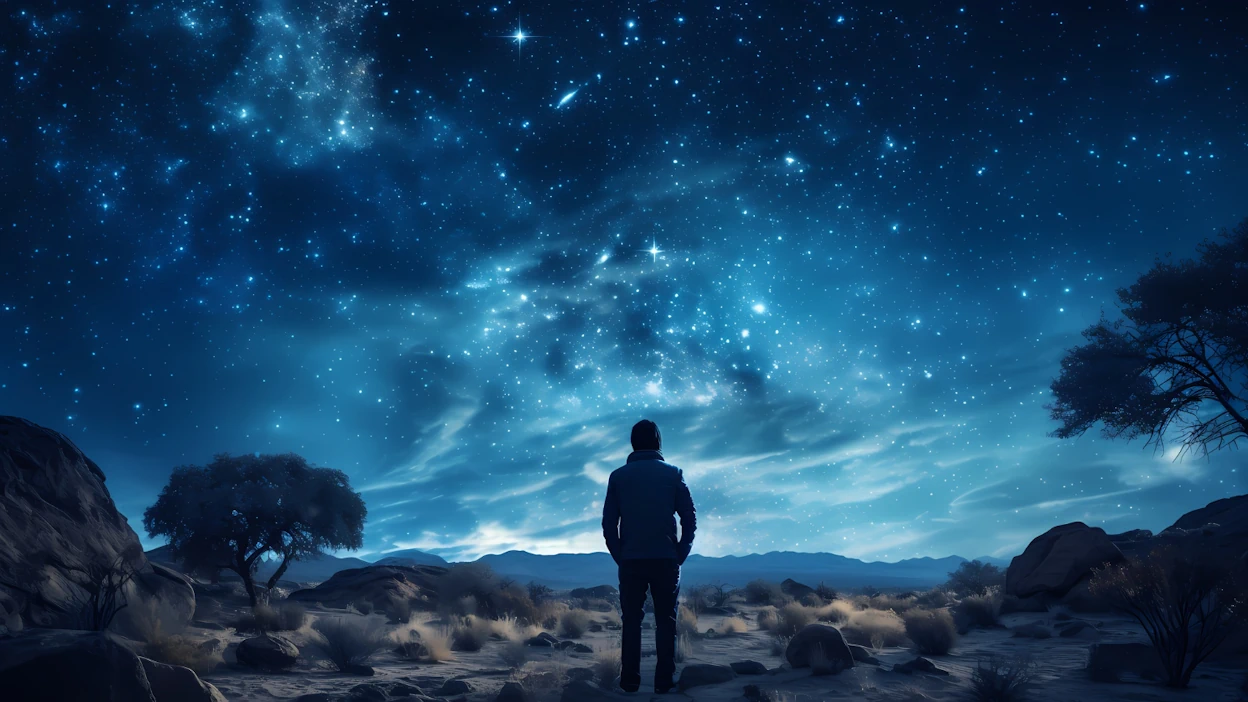
January has a way of making the world feel quieter. Days are shorter, evenings stretch longer, and once the holiday noise fades, the nights open up in a way that feels almost intentional. For travelers willing to look up instead of ahead, January delivers one of the most rewarding experiences of the year: some of the darkest skies and clearest stargazing conditions you’ll find anywhere. It’s no surprise that travelers departing from major gateways like flights from Los Angeles are increasingly planning trips not around landmarks—but around the sky itself.
This month, the stars aren’t just visible. They’re commanding.
Why January Is Stargazing’s Sweet Spot
Astronomy enthusiasts and travel experts agree: January offers a rare alignment of long nights, crisp air, and reduced atmospheric haze. Cold temperatures mean less moisture in the air, which translates to sharper views of constellations, planets, and meteor activity. Travelers arriving via flights from Denver often notice the difference immediately—the sky feels deeper, darker, and far more expansive than in warmer months.
Winter skies don’t rush. They linger.
What’s Actually Happening in the January Sky
January’s night sky isn’t just dark—it’s active. This month often brings heightened visibility of planets like Jupiter and Mars, along with winter constellations that feel almost cinematic. For travelers flying in on flights from Phoenix, desert regions offer especially clear vantage points where light pollution drops off dramatically.
Expect:
- Bright planetary alignments
- Dense star fields in the winter Milky Way
- Peak visibility during early evening hours
You don’t need a telescope—just patience and darkness.
Big Bend National Park, Texas: Vast Skies, Absolute Silence
Big Bend is one of the darkest places in the continental U.S., and January is when it truly shines. With minimal humidity and fewer visitors, the park becomes an open-air observatory. Travelers often access the region through flights from Dallas before driving south into terrain where the horizon feels endless.
Why January works here:
- Exceptional darkness levels
- Cold nights with crystal-clear visibility
- Near-total absence of artificial light
It’s not just stargazing—it’s immersion.
Death Valley National Park, California: Darkness Without Distance
Death Valley holds Gold Tier Dark Sky status, and winter makes it accessible without the punishing heat. The vast basin amplifies the night sky, making stars feel closer and brighter. Travelers arriving via flights from Las Vegas often plan January trips specifically for nightfall.
Winter stargazing highlights:
- Comfortable evening temperatures
- Wide-open sky views from valley floors
- Rare clarity thanks to dry desert air
Here, darkness feels intentional.
Great Basin National Park, Nevada: One of the Darkest Skies in America
Often overlooked, Great Basin is a stargazer’s dream. Its remote location keeps skies pristine, and January’s cold ensures unmatched clarity. Travelers flying through flights from Salt Lake City often pair the park with scenic winter drives.
Why experts love it:
- Extremely low light pollution
- High elevation enhances visibility
- Ranger-led astronomy programs (seasonal)
This is darkness in its purest form.
Joshua Tree National Park, California: Stars Over Sculpted Stone
Joshua Tree’s surreal landscapes don’t disappear at night—they transform. Rock formations silhouette against star-filled skies, creating one of the most photogenic stargazing environments in the country. Travelers arriving on flights from San Diego often time January visits for cooler nights and clearer views.
What makes it special:
- Easy access to dark-sky zones
- Mild winter evenings
- Iconic foregrounds for night photography
It’s stargazing with character.
Acadia National Park, Maine: Coastal Darkness, Winter Stillness
Acadia in January feels almost otherworldly. Snow-covered trails, frozen shorelines, and a near-total absence of crowds allow the night sky to take center stage. Travelers reaching the region via flights from Boston often describe winter stargazing here as deeply meditative.
Why winter elevates Acadia:
- Long nights over the Atlantic
- Minimal tourist lighting
- Quiet that amplifies the experience
The stars feel closer when everything else fades.
What to Know Before You Go Stargazing in January
Stargazing trips reward preparation—but not complexity. Travel experts recommend planning evenings intentionally and days lightly. Those flying in on flights from Seattle often benefit from building trips around weather windows rather than fixed schedules.
Key tips:
- Check moon phases before traveling
- Dress warmer than you think you need
- Allow time for eyes to adjust to darkness
The slower you move, the more you’ll see.
D2D Travel Tips: Let the Night Be the Highlight
Stargazing trips are about timing—late nights, early mornings, and long stretches of quiet. The last thing travelers want is logistical stress cutting into the experience. Door-to-door planning, like the approach supported by D2D, helps ensure the journey itself doesn’t compete with the destination. Seamless pickups, predictable transfers, and smooth returns matter most when trips revolve around nightfall, especially for travelers coordinating flights from New York City or other high-traffic hubs.
When the journey flows, the sky gets your full attention.
The Real Gift of January’s Night Sky
January stargazing isn’t about checking off celestial events. It’s about scale. Perspective. Standing somewhere quiet enough to feel small in the best possible way. In a month often defined by reset and reflection, the night sky offers both—no booking required, just intention.
For travelers willing to plan around darkness instead of daylight, January doesn’t just show off. It reminds us why we travel at all.